

Last updated on: January 3, 2026
Introduction
Start Freelance Writing: Make Money from Home is one of the simplest ways to earn online while using your skills. With just a laptop and internet connection, you can write articles, blogs, or copy for clients worldwide and build a steady income stream
Start Freelance Writing
A Beginner’s Roadmap: Start Freelance Writing
Additionally, before launching a freelance writing business, assess your skills and hobbies to determine your area of specialization and differentiate yourself from competitors. Moreover, setting attainable goals such as earning a specific amount, being published, or developing a portfolio will help keep you motivated. Subsequently, your freelance writing plan should include target clients, writing styles, pricing approach, and marketing techniques to help you manage and organize your efforts. Consequently, this will help you stay organized and focused on your goals, assuring freelance writing success. Start your freelance writing career with our ultimate guide. Learn how to find high-paying gigs, choose your niche, build a portfolio, and use job boards to make money from home.

Finding Your Niche: Start Freelance Writing
Being an expert in a specific field makes you more appealing to clients and increases your rates. Find profitable niches by examining industry trends, well-known blogs, and high-traffic websites. Make your writing more credible by aligning your expertise with market demand. Read blogs, review portfolios, and learn about the experiences of successful niche writers to inspire your own work.
Analyzing the Competition: Start Freelance Writing
To succeed as a freelance writer, investigate your competition, keep up with market developments, and create a unique selling proposition (USP) that distinguishes you from your colleagues. Additionally, examine their websites, portfolios, and social media profiles to determine what works and what does not. Moreover, study successful freelance writers to learn about their strategies, marketing approaches, content types, and pricing strategies. Consequently, this will help you discover what works and what doesn’t, allowing you to stand out in the market.
Essential Tools for Freelance Writers
Writing and Editing Tools: Start Freelance Writing
Additionally, writing and editing tools include Grammarly, Hemingway App, ProWritingAid, Scrivener, Google Docs, Microsoft Word, Evernote, LibreOffice Writer, QuillBot, and Slick Write. Grammarly uses artificial intelligence to detect grammar, spelling, punctuation, and style faults. In contrast, the Hemingway App highlights tough sentences and common blunders. Moreover, ProWritingAid helps you revise and write reports precisely. Furthermore, the powerful Scrivener word processor can handle massive documents. In comparison, Google Docs allows for real-time collaboration.

Project Management Tools: Start Freelance Writing
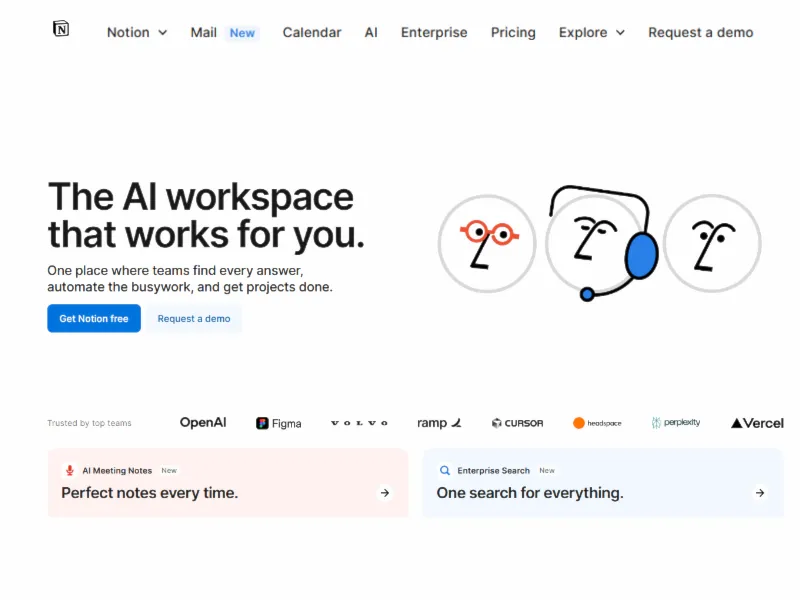
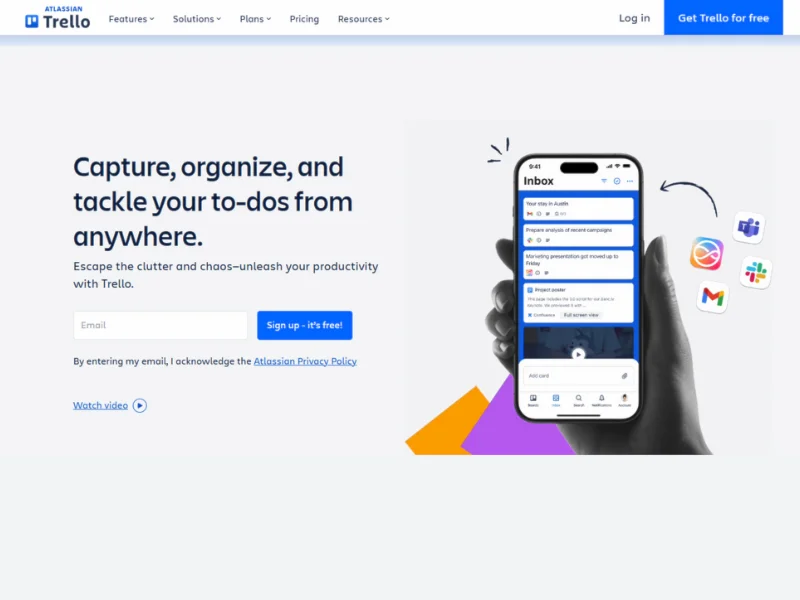
Additionally, Trello, a visual project management tool, has drag-and-drop functionality. Similarly, Asana enables teams to manage projects and tasks. In contrast, Monday.com’s work operating system includes customizable workflow templates. Moreover, Basecamp coordinates teams, projects, and communication. On top of that, the all-in-one productivity platform ClickUp offers personalized task displays. Furthermore, Jira manages agile software development projects. Likewise, Wrike streamlines planning, communication, and reporting. Moreover, Note is a multipurpose notebook. Lastly, Smartsheet enables real-time collaboration and automation.
Time Management Tools: Start Freelance Writing
Additionally, time management apps such as Toggl, RescueTime, Clockify, and Focus@Will offer a range of productivity-boosting features. Moreover, Forest and Timely provide virtual tree growth and AI-powered tracking, respectively. Furthermore, tools like Be Focused and MyLifeOrganized (MLO) offer customizable task hierarchies and detailed time reports. In addition, Trello Calendar Power-Up allows for seamless task management and scheduling. Overall, these popular programs assist users in staying focused, managing activities efficiently, and avoiding distractions.
Financial Management Tools: Start Freelance Writing
Additionally, QuickBooks also streamlines small business billing and expense tracking. FreshBooks, a freelancer and small business accounting and invoicing software, tracks time and expenses. Wave is free, but Xero is cloud-based accounting software for SMEs. Additionally, Zoho Books manages finances, automation, and departmental cooperation. Harvest tracks freelancer time and invoicing, while AND.CO manages businesses. Kashoo is a simple cloud accounting solution for small businesses, while Expensive, automates expense reporting and administration. Finally, Bill.com automates billing and payment.

Find Jobs on Freelance Writing Platforms
Additionally, freelance writing services such as Upwork, Fiverr, Freelancer, ProBlogger Job Board, and Contently help authors connect with clients. Upwork is the largest marketplace; however, Fiver lets authors establish their own fees and bid on assignments. Freelancer is a global platform that allows writers to bid on tasks; whereas, Contently connects writers with high-quality, high-paying clients.

Set Competitive Rates
Firstly, starting out, setting rates might be difficult. Additionally, experience, project complexity, and market prices are all important factors to consider. Furthermore, investigate other writers’ prices and begin with competitive pricing to create your portfolio and client base. As a result, gradually increase rates as you get experience and positive feedback
Network and Market Yourself
Building a network and marketing oneself can lead to more chances and revenue. Strategies include using social media platforms, joining industry groups, and developing content marketing blogs or newsletters. Creating a marketing job website can also greatly increase your earnings.
Provide high-quality work
Additionally, maintaining professionalism and consistently delivering high-quality work are crucial for building a positive reputation. This involves actively communicating with clients, meeting deadlines, and being open to their feedback.
Explore Job Boards: Start Freelance Writing
Discover freelance writer job boards easily, firstly, starting out, setting rates might be difficult. Additionally, experience, project complexity, and market prices are all important factors to consider. Furthermore, investigate other writers’ prices and begin with competitive pricing to create your portfolio and client base. As a result, gradually increase rates as you get experience and positive feedback.
Conclusion
Start your freelance writing career is a journey that requires preparation, dedication, and continuous learning. By finding your niche, understanding the market, and using the right tools, you can build a successful freelance writing business and enjoy the freedom and flexibility of working from home. Remember to set clear goals, build a strong portfolio, and always strive to improve your skills. With persistence and hard work, you can turn your passion for writing into a profitable career.